
 Nigeria
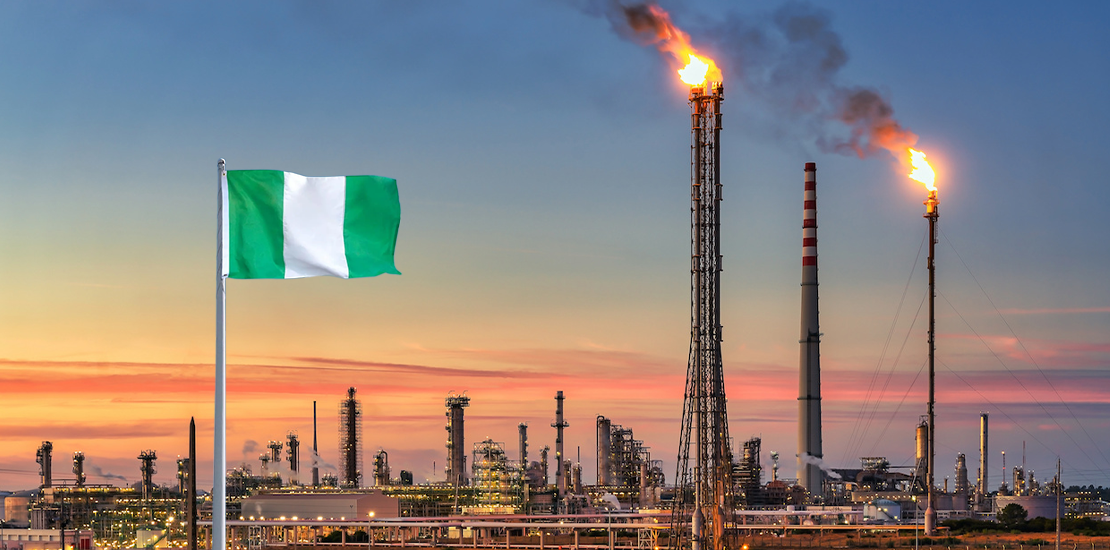
For decades, Nigeria has massively subsidized gasoline at the pump, transforming a crude-exporting country into a low-cost fuel supplier for itself and parts of West Africa. Behind the rhetoric of "supporting purchasing power", a complex system has gradually emerged: an economy within an economy, with its own budgetary circuits, logistical networks, rents and tax leakages, which continues to influence the country's trajectory despite the reforms undertaken since 2023.
At the heart of this system is the administered price of Premium Motor Spirit (PMS). When import and distribution costs exceed this official price, the difference is covered by the public authorities, either through direct subsidies, or through the "under-recovery" (gap between costs and prices) borne by the national oil company. Between 2005 and 2021, official reports estimate this cumulative support at over 13,000 billion naira, or several tens of billions of dollars, the equivalent of several years' federal health and education budgets. By 2022, as world prices soared, the bill would have reached nearly 2.2% of GDP: a cyclical shock absorber turned structural policy.
To make a single price work across a vast, poorly served territory, Nigeria has built a unique logistics chain. The Petroleum Equalization Fund, then the regulatory authority, finances "bridging claims", transport reimbursements that compensate for delivery from coastal terminals to inland service stations. Integrated into the regulated price, this compensation feeds a system of financial flows between the State, the national company, transporters, private depots and retailers. In addition to this logistical economy, there is also a cross-border dimension: price differentials with neighboring countries have long been such that estimates put the number of liters of subsidized petrol leaving the country every day at over 15 million. For the Treasury, this meant a massive loss of revenue.
Tax losses are not limited to the cost of the subsidy. The system has profoundly altered the way oil revenues flow - or not - into the federal budget. For years, a large part of the subsidy was accounted for as under-recovery by the national oil company, which reduced its payments to the federal account by the same amount. Reports by the Extractive Industries Transparency Initiative (EITI) have highlighted discrepancies between expected and actual revenues, as well as arrears between the state and the company. In other words, a significant portion of the rent never passed through the budget, but through this parallel circuit of imports and support for petrol prices, limiting the room for maneuver to finance infrastructure, education or health.
On a macroeconomic level, the decision to subsidize petrol in a context of rising prices deprived Nigeria of a significant share of the potential gains linked to crude oil exports. Several analyses point out that, since the mid-2010s, the country has rarely fully benefited from the oil boom: net revenues have been eroded by the subsidy to the point of reducing fiscal space, fueling public indebtedness and curbing investment. Socially, the promise of protection for low-income households is also nuanced: public finance studies show that the poorest 40% consume a small proportion of subsidized petrol, for want of access to a vehicle or generator. It is mainly middle-class urban households and energy- intensive businesses that capture the bulk of the benefit, while the most vulnerable remain exposed to the weakness of tax-financed public services.
The announcement in May 2023 that the gasoline subsidy would be abolished marked a turning point. The immediate rise in pump prices - in some cases close to tripling - had a knock-on effect on transport costs and inflation, sparking intense debate on the sharing of adjustment costs and the appropriateness of compensatory measures. Initial indicators, however, suggest a recovery in public revenues, a reduction in the budget deficit and the beginning of a normalization of foreign exchange flows, against a broader backdrop of subsidy and exchange rate reform. At the same time, the authorities are seeking to diversify the energy supply, notably through programs to convert vehicles to compressed natural gas and the ramp-up of new domestic refining capacity.
The challenge for Nigeria now is to make a lasting break with the logic of a parallel system whose costs have become difficult to justify in view of the country's financing requirements, without ignoring the social and political dimension of a change in the pricing regime for a product as sensitive as gasoline. This implies not only maintaining transparency on price formation, volumes distributed and financial flows, but also redeploying part of the freed-up resources towards visible investments - public transport, energy, targeted support programs - capable of rebuilding confidence. Failing this, the economy within the economy represented by the old subsidies could be recomposed elsewhere, in other forms, perpetuating the same imbalances under new guises.


 Ivory Coast
 Algeria
 FR
FR
 EN
EN