
 Nigeria
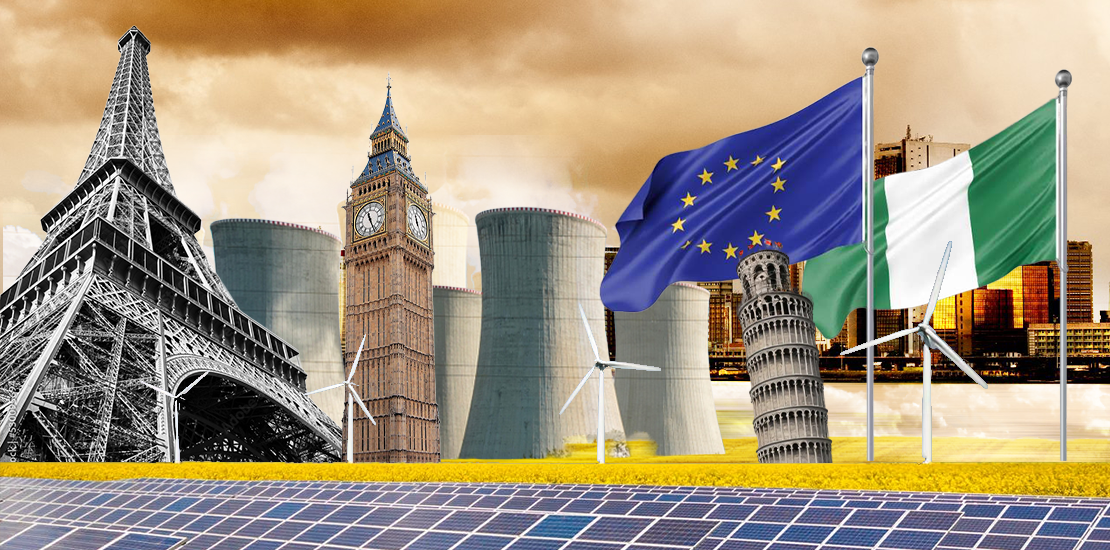
The war in Ukraine and the collapse of Russian supplies have forced the European Union to urgently reconfigure its gas policy. Before 2022, Russia supplied nearly half of the gas imported by the EU; since then, its share has fallen sharply and Brussels has committed to phasing it out. In this reshuffle, Nigeria appears to be one of the partners called upon to fill part of the void, especially in the liquefied natural gas (LNG) segment. One key question remains: will this window of opportunity enable the country to gain leverage for development, or will it expose it to a new form of dependence?
Since 2021, gas consumption in Europe has been falling due to high prices, energy efficiency policies, and the growth of renewables. At the same time, LNG has taken on an increasingly important role in supply, with diversification towards the United States, Qatar, Norway... and Nigeria. In the short term, the EU remains a solvent market: it still needs to replace Russian volumes and secure its winter supplies, while reducing the share of gas in its energy mix by 2030-2050.
For Brussels, the goal is to limit geopolitical risk without depending on a single supplier. For Abuja, the challenge is to quickly monetize its reserves before demand and prices decline permanently.
Nigeria's main tool is the Bonny Island liquefaction complex, operated by Nigeria LNG (NLNG), which brings together the national company NNPC and several international majors. The six existing trains have a capacity of around 22 million tons per year and already supply European customers. The Train 7 project is expected to increase this capacity to nearly 30 million tons, an increase of around one-third by the end of the decade.
This ramp-up coincides with the timetable for Russian gas to exit Europe, but NLNG has often operated below its nominal capacity due to gas supply problems and attacks on infrastructure in the Niger Delta. To stabilize flows, Abuja needs to secure upstream gas, reduce losses related to insecurity, and make investment rules more predictable.
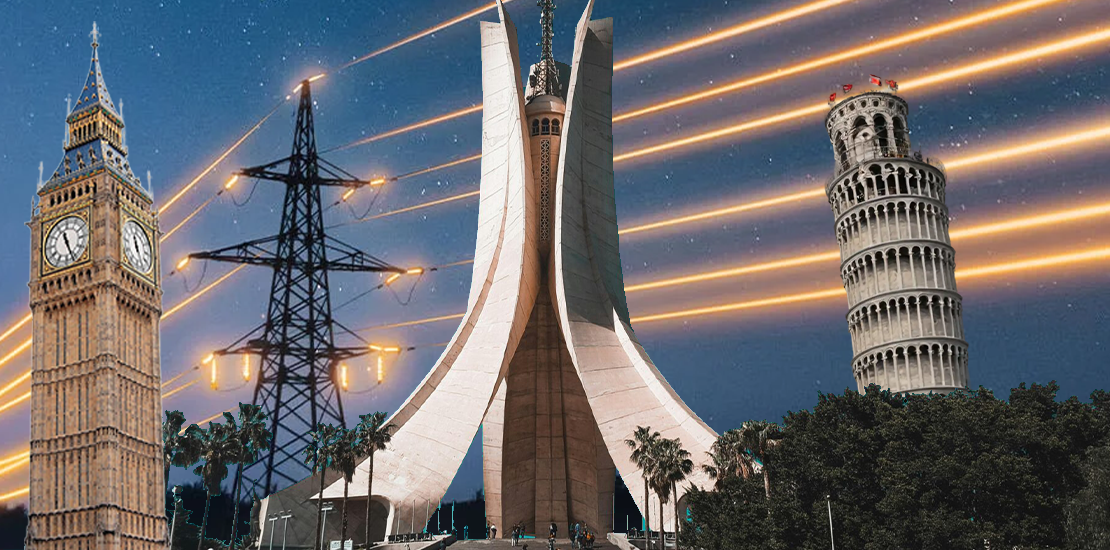
Beyond LNG, Abuja is promoting two major gas pipeline projects to Europe: a coastal corridor via Nigeria-Morocco and a trans-Saharan route via Niger and Algeria. These would strengthen the country's role as a gas hub, but require massive investment, cross unstable areas, and would only be profitable if European gas demand remains strong for several decades.
The EU presents Nigeria as a "reliable partner" in its diversification strategy and is stepping up high-level missions, negotiations on LNG volumes, and offers of support to secure facilities. Mirroring this, Abuja is promoting its "Decade of Gas" and its Energy Transition Plan, which make gas a transition fuel for electricity and domestic cooking.
This convergence of interests is real, but asymmetrical. For the EU, Nigeria remains one supplier among many in an increasingly diversified portfolio. For Nigeria, access to the European market is a crucial source of foreign exchange in a context of external deficits and high import needs, which limits its negotiating margin.
On a macroeconomic level, the country remains highly dependent on hydrocarbons for its export revenues and a significant portion of its public revenues. An increase in LNG flows to Europe may improve the balance of payments, but it also increases the economy's vulnerability to the price and demand cycles of a single product in a region that is moving towards decarbonization.
In a context of chronic electricity shortages and a fragile grid, directing a growing share of gas resources toward exports, without reserving volumes for the domestic market, may delay industrialization and keep energy costs high for households and businesses. And if the EU rapidly reduces its gas consumption in the 2030s, infrastructure designed to operate for several decades (liquefaction trains, transcontinental gas pipelines, dedicated gas fields) may never be used to full capacity, leaving Nigeria with high debts and assets that are difficult to convert.
The new gas-oil partnerships between Nigeria and Europe represent an opportunity in the short and medium term: they make it possible to capture financial flows, consolidate the country's place on the global energy map, and negotiate technology transfers. However, without a clear strategy for economic diversification and strengthening the domestic energy market, they may also trap Nigeria in renewed dependence, this time on European climate and industrial choices.
The line between opportunity and dependence will be drawn less in the contracts signed than in the use of the revenue. If gas revenues finance electrification, productive infrastructure, and the rise of low-carbon energies, the country will be able to turn this situation into a springboard. If, on the contrary, they prolong a rent model that does little to redistribute wealth, Nigeria will have missed another opportunity to convert its resources into sustainable development.

 Ivory Coast
 Algeria
 FR
FR
 EN
EN