
 Ivory Coast
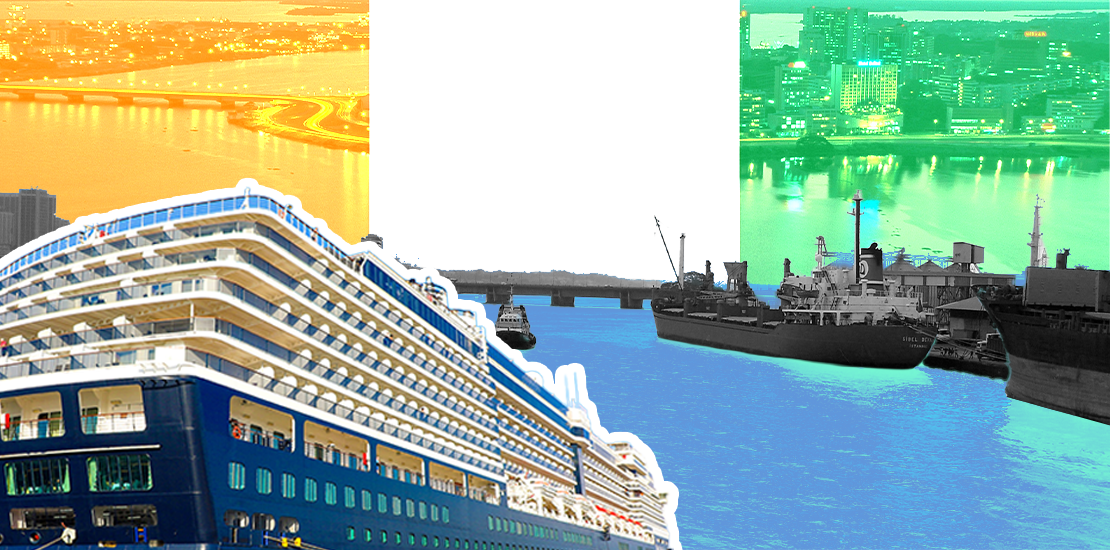
More than a decade after the post-electoral crisis of 2010-2011, Côte d'Ivoire has become a symbol of rebound in West Africa, with growth averaging close to 9% between 2012 and 2015. Behind this performance, however, lies a sensitive question: how have the billions mobilized for reconstruction been used, and to what extent have these resources transformed the economy and territories in a lasting way?
An initial decisive share of the funds took the form of debt relief rather than new projects. In 2012, reaching the completion point of the Heavily Indebted Poor Countries Initiative resulted in around $3.1 billion in debt relief, supplemented by $1.3 billion under the Multilateral Debt Relief Initiative. As a result, the present value of foreign debt fell from around $12 billion to $4.7 billion, sharply reducing debt servicing and freeing up room for public investment and social spending.
The second pillar is the National Development Plan (NDP) 2012-2015, the first "post- crisis" economic framework. At the Paris donor conference at the end of 2012, bilateral and multilateral partners pledged around €7 billion, whereas the government had requested €3 billion. For the 2016-2020 NDP, a new consultative group raised the pledges to $15.4 billion, within an overall envelope estimated at $60 billion, including $22.5 billion in public investments and $37.5 billion expected from the private sector.
Macroeconomic data support these orders of magnitude. According to the IMF, annual aid flows—grants, concessional loans, and debt relief—hover around $0.5 to $0.8 billion, while public investment rises from around 3% of GDP in 2010 to almost 8% in 2015, and the country regains access to international markets via Eurobond issues. The "reconstruction billions" thus combine external aid with increased mobilization of domestic resources.
The key question is how to convert commitments into actual expenditure. A review of the implementation of the NDP 2012-2015 shows that between 2012 and 2014, some $ ,491 billion CFA francs in budget appropriations were programmed under the plan, with an execution rate close to 87%. If private and external financing are included, however, the overall financial execution rate of the NDP is estimated at just under 60%, a sign that the announcements made at donor conferences are being partially translated, with some delay, into infrastructure and social programs.
As far as technical and financial partners are concerned, reconstruction is based on a mix of budgetary support, reform programs, and major projects. The World Bank, which had announced $2 billion for the 2012-2015 NDP, has finally disbursed nearly $2.8 billion and has promised a further $5 billion for 2016-2020. Other major donors—the African Development Bank, the Islamic Development Bank, the European Union, UN agencies, and regional institutions—are financing energy, roads, ports, drinking water, and social cohesion. Their overall assessment is "moderately satisfactory": macroeconomic stability has been restored, public finances are better managed, but reforms in several key sectors remain incomplete.
Private firms play a less visible but growing role in this architecture. Successive NDPs have made public-private partnerships a central lever, whether for the extension of the port or the Abidjan metro, or for energy concessions. The preparation of these projects—feasibility studies, financial modeling, legal structuring, monitoring—is largely entrusted to consulting firms, often in consortium with Ivorian firms. Many project evaluations are also outsourced, as demonstrated by the practice of several donors who use specialized firms to design and interpret impact assessments. While this expertise speeds up the preparation of operations, it also fragments information: many analyses remain contractual and not easily accessible.
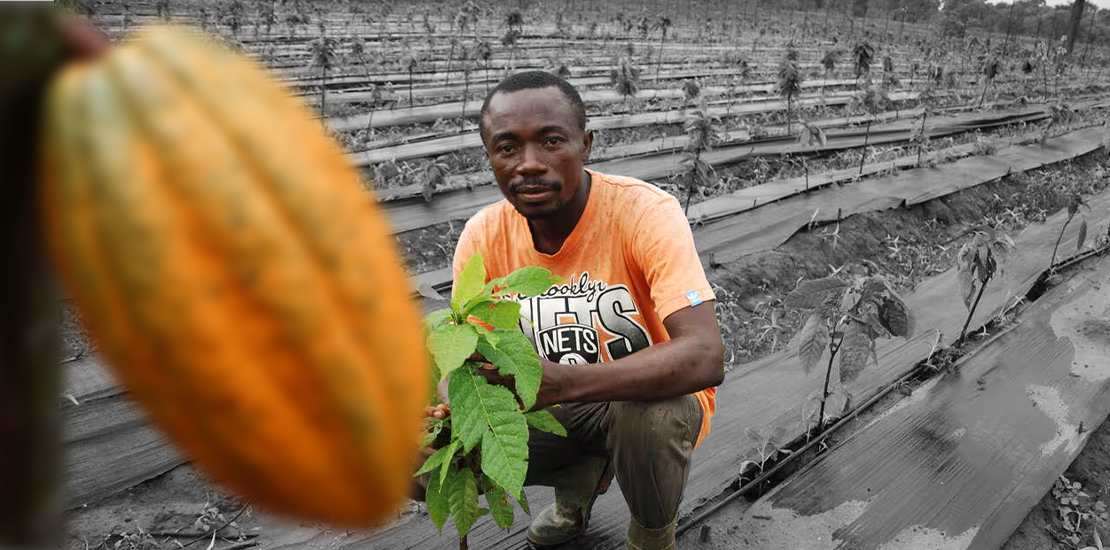
The limits of reconstruction become clear when we move away from national aggregates to territorial realities. Development plans identify priority regions—notably the District des Montagnes, Woroba, Zanzan, and Denguelé—where community projects and basic investments should be concentrated. Yet numerous surveys show that these areas are still marked by degraded infrastructure, under-resourced public services, and high levels of poverty. In 2015, the national poverty rate was still close to 46%, with almost 57% of the poor living in rural areas, compared with 36% in urban areas.
Evaluations of post-crisis programs highlight recurring difficulties: extension of intervention zones, local partnerships of uneven quality, administrative red tape, fragile monitoring-evaluation, and uncertainty over the sustainability of achievements when external funding is withdrawn. The NDP reviews highlight the progress made in terms of aid coordination—in particular, the introduction of a computerized funding management platform and the desire to align donors more closely with national priorities—but call for closer monitoring of results, going beyond indicators of disbursement, growth, or investment volume alone.
Compared with other post-conflict countries, Côte d'Ivoire has a number of real assets: a stabilized strategic framework, reduced debt, and a large number of partners. But the billions mobilized have not had a uniform effect: they have enabled a rapid catch-up in infrastructure and reassured investors, without erasing the gaps in public services or territorial inequalities. The question "where have the billions gone?" thus becomes one of traceability: territory by territory, what are these resources actually changing?

 Algeria
 FR
FR
 EN
EN